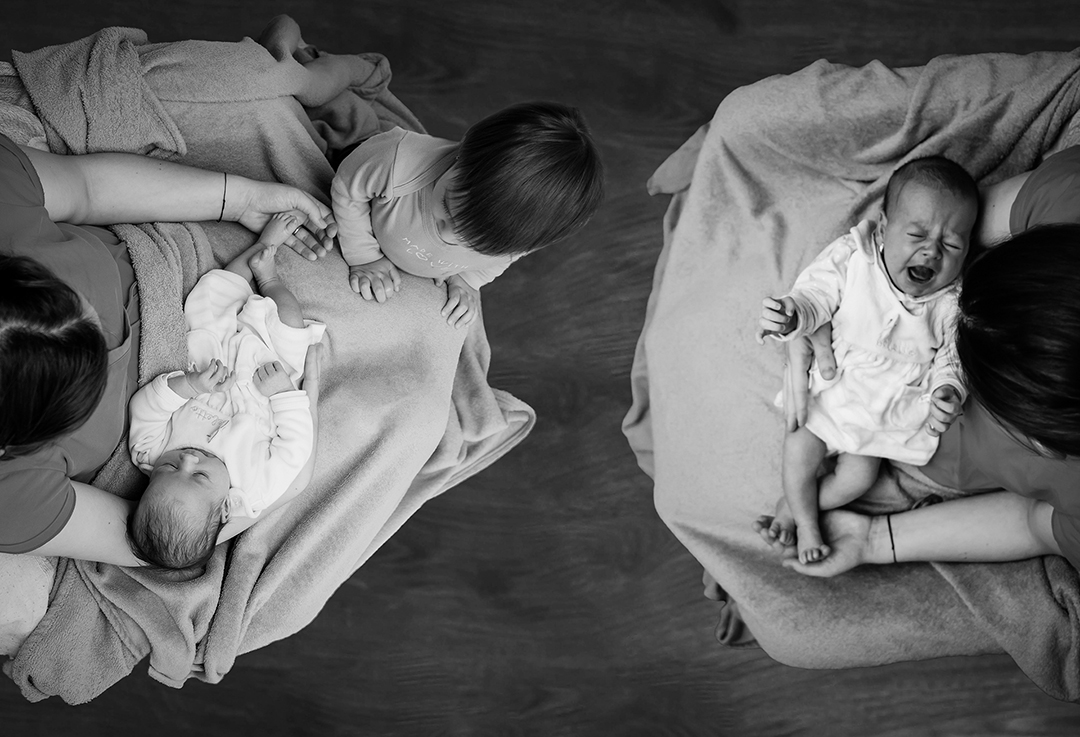
Being a twin, triplet, or quadruplet is often seen as something special, yet it comes with unique challenges. Multiples are frequently viewed as a single unit rather than as individuals, which can make it difficult for them to express who they are on their own. When others overlook their distinct personalities, interests, and needs, it can affect their sense of identity and self-confidence. Constant comparison or expectations of sameness may lead to pressure, frustration, or rivalry, leaving them feeling unseen and undervalued.
The documentary Three Identical Strangers gently illustrates how identity can become complicated when individuality is overshadowed by togetherness. After being reunited as adults, the triplets were celebrated as a group, often with little recognition of their differences. Over time, this blurred sense of self highlighted the importance of being known not just as “the twins” or “the triplets,” but as separate people with their own inner worlds. The film serves as a quiet reminder that supporting individuality early on can have a lasting impact.
As our little twins, triplets and quadruplets grow, especially during the pre-teen years, a loss of individual identity can make relationships and personal development more challenging. Exploring these difficulties—and how to address them—can help create healthier, more affirming experiences for multiples.
Identity Challenges:
Being Different:
It's important for multiples to celebrate what makes each of them unique. Families and teachers can help by recognizing and encouraging the special qualities in each sibling. Aside, parents can also encourage individuality by dressing the children differently and allowing them to choose their preferred designs when shopping.
Changing What People Think:
Multiples are often viewed and treated as a single group rather than as individuals, which can limit how others understand and interact with them. This mindset can be challenged by encouraging people—such as family members, teachers, and peers—to use each child’s name, acknowledge their unique personalities, and engage with them one at a time. Simple actions like asking individual questions, recognizing different interests, and avoiding constant comparisons can help reinforce their sense of individuality and show that they are valued as separate people, not just as “the twins” or “the triplets.”
Balancing Together and Apart:
Twins, triplets and quads need to talk openly about what they want as individuals. Setting some rules and appreciating each other's strengths can help them balance being together and having their own space. One-on-one time with a parent or loved one can also help fill their tank as they will get undivided attention (which we know is rare!)
Groupthink Dynamics:
Encourage Open Expression:
It is important for multiples to feel safe sharing their thoughts, feelings, and opinions without fear of upsetting others or causing conflict. Families and friends can support this by creating an environment where differences are welcomed rather than discouraged. Listening without judgment, validating each child’s perspective, and avoiding pressure to agree can help them feel confident expressing themselves as individuals instead of twins, triplets and quadruplets.
Ideas to Support This:
- Give each child one-on-one time to talk about their feelings or experiences
- Encourage them to make their own choices, even when those choices differ
- Model respectful disagreement and show that differing opinions are acceptable
- Avoid speaking for them as a group; let each child answer for themselves
- Praise honesty and self-expression, not just harmony or agreement
Growing on Their Own Terms:
Each child should be allowed to do their own things. Encouraging them to have their own hobbies or goals helps them grow as individuals while still being close. It is important to create individual experiences for each multiple wherever possible. For example, while they may have to share a room, each sibling should get to decorate their own specific area as they wish. For this reason, most parents of twins, triplets and quadruplets prepare separate cakes on birthdays for each child.
Stopping Unfair Comparisons:
People sometimes compare twins, triplets and quads, and it's not fair. Families can help by gently explaining to others that each sibling is their own person. We know how this can be difficult, especially when it’s done by family members, hence it’s also important to let the children know that they don’t have to take everything they hear to heart.
Conclusion:
Facing challenges as a twin or triplet is easier when everyone, including families, teachers, and friends, supports each individual journey. By celebrating what makes each person special, we can make sure twins and triplets enjoy their shared experiences while also being free to follow their own paths.
__
Whether you're raising multiples or multiple children, finding a supportive parenting community makes all the difference. Join the conversation and share your experience with us! Follow us on Instagram for more updates :)