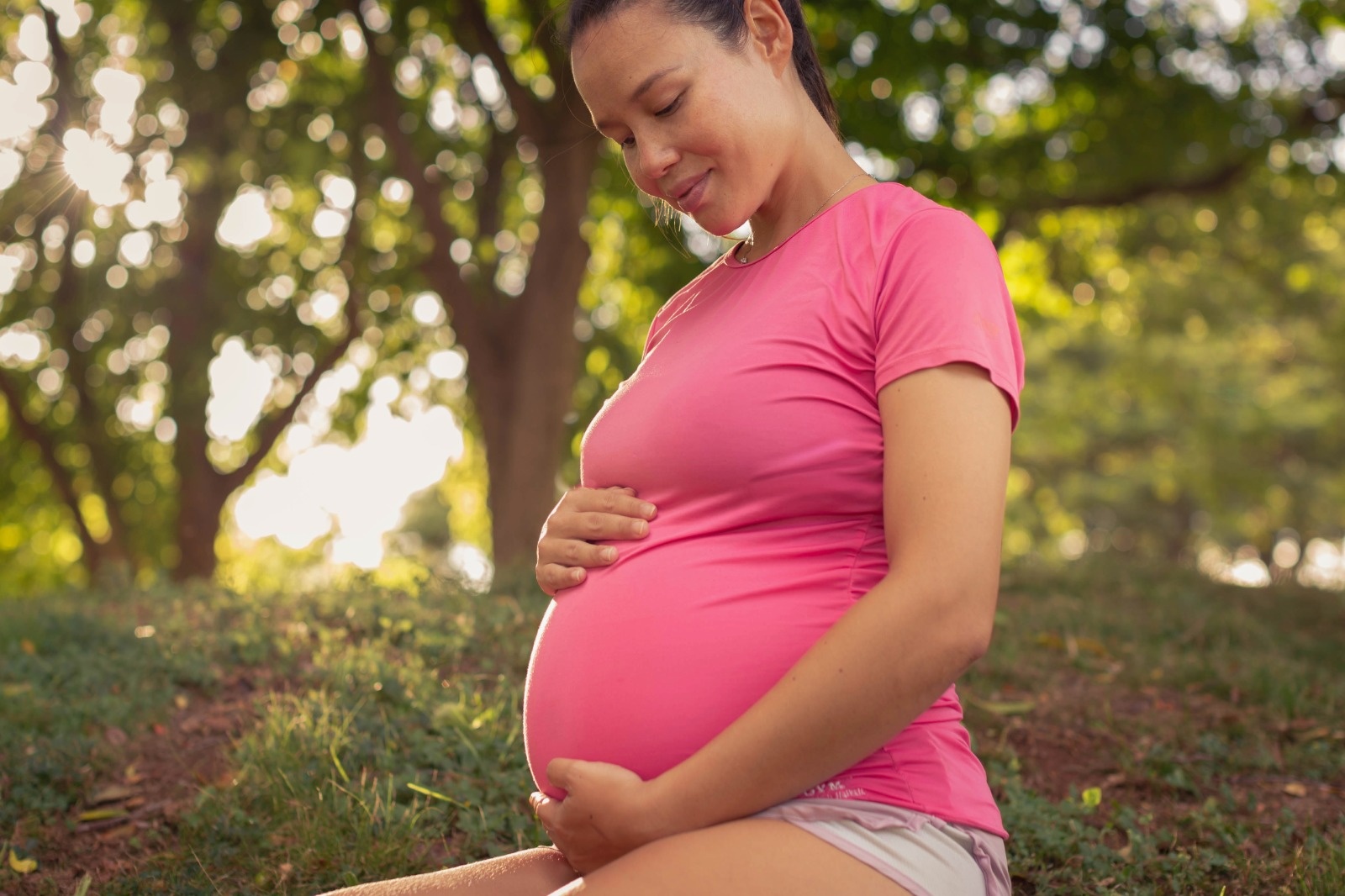
Pregnant Belly Changes: Month-by-Month Shape and Size Guide explains exactly how and why your belly grows and looks different during each stage of pregnancy. The size and shape of a pregnant belly change because of baby growth, uterus expansion, body type, muscle tone, and whether you are carrying one baby or multiples. In simple words, there is no single “right” belly size for pregnancy.
During pregnancy, many women worry about how their belly looks, especially when they compare themselves to friends, family members, or images online. This guide is written for moms-to-be who want clear, calm, and trustworthy information in easy language, whether you're in Singapore, the United States or anywhere else.
Is My Pregnant Belly Size Normal?
This is one of the most common questions pregnant women ask. The good news is that most of the time, belly size alone does not tell anything important about your baby’s health.
Doctors do not judge pregnancy health by how your belly looks from the outside. Instead, they rely on medical tools like ultrasound scans and fundal height measurements. Fundal height is the distance from your pubic bone to the top of your uterus, and it gives doctors a better idea of how your baby is growing.
If your belly looks smaller or bigger than expected, it does not automatically mean there is a problem. Many healthy babies grow inside bellies that look very different from each other. If something truly needs attention, your healthcare provider will notice it during regular prenatal visits.
When Will I Start Showing?
There is no exact week when everyone starts showing. Some women notice a small bump early, while others do not look pregnant until later.
First-time moms often start showing between 14 and 18 weeks. Women who have been pregnant before may show earlier because the abdominal muscles and uterus have already stretched. If you are carrying twins or more than one baby, you may notice changes sooner.
Early belly changes are often caused by bloating, not the baby. Hormones slow digestion, which can make your stomach feel fuller even before the uterus grows upward.
If you're expecting multiples such as twins or triplets, chances are, your belly will start showing much earlier than others carrying singletons.
What Shapes the Size and Look of a Pregnant Belly?
Several factors work together to shape how a pregnant belly looks. Understanding these factors can reduce unnecessary worry.
Body type and height play a big role. Taller women with longer torsos may carry their baby higher and look smaller from the front. Shorter women often carry outward, making the belly appear larger.
Muscle tone also matters. Strong abdominal muscles can hold the uterus closer to the body, especially in early pregnancy. This can delay showing but does not affect baby health.
The number of pregnancies you have had before also changes belly appearance. In second or third pregnancies, the belly may appear earlier and rounder.
Baby position inside the uterus affects shape too. A baby lying sideways can make the belly look wider, while a head-down baby may create a lower belly look.
Pregnant Belly Changes Month by Month
Every pregnancy is different. Bellies grow at different speeds, and there is no single version of “normal.” In this section, you will learn what you may see and feel during each trimester, along with simple details about your baby and uterus.
Months 1 Through 3 (First Trimester)
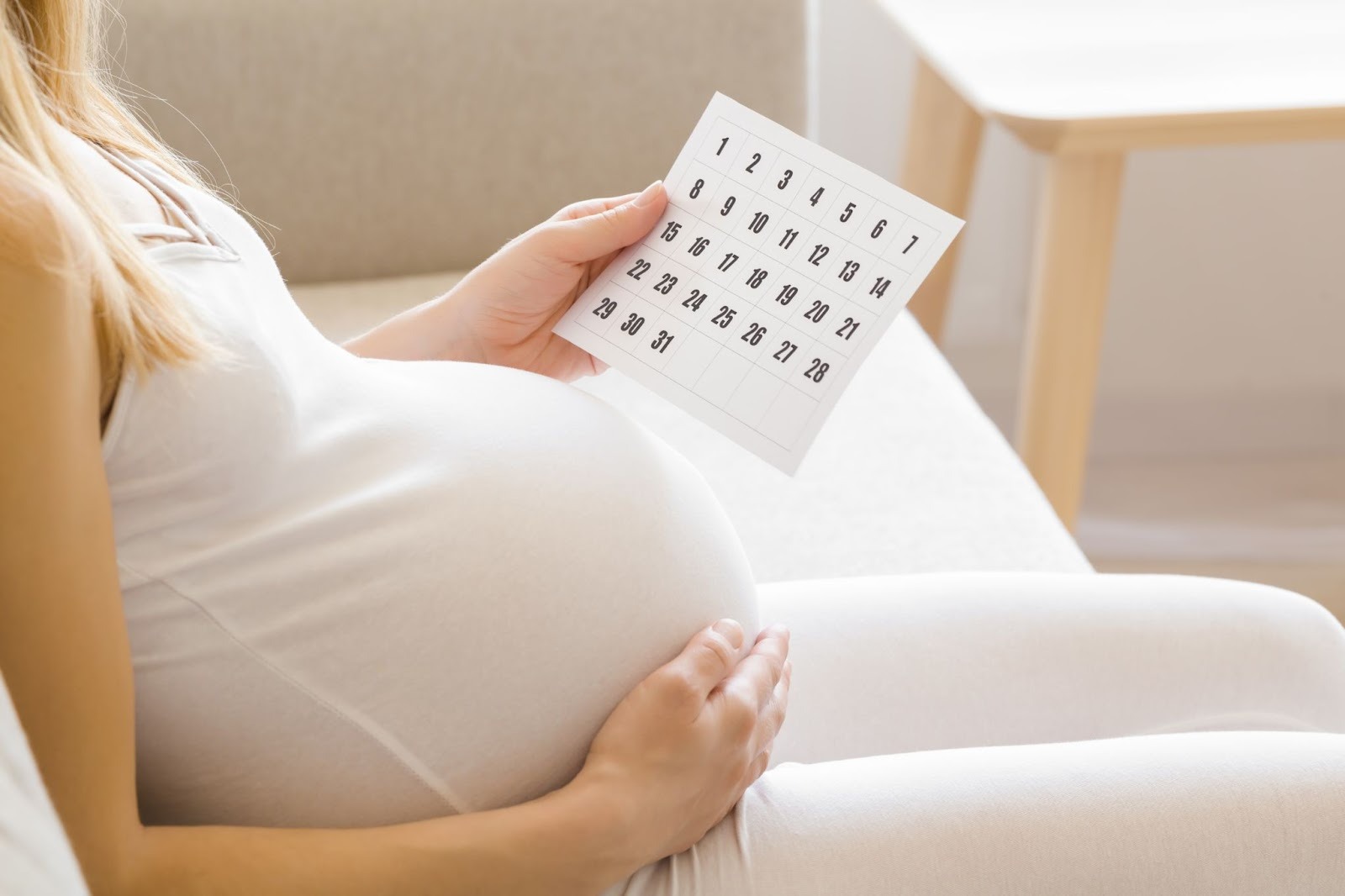
The first trimester lasts until week 12, which covers the first three months of pregnancy. Even though many people say pregnancy is nine months, it actually lasts close to 40 weeks.
What You’ll See
During these early months, most women do not have a visible baby bump. You may notice your pants feeling tighter around the waist, but this is often due to bloating or extra water in the body, not the baby itself.
When you start showing depends on your body type, whether this is your first pregnancy, and if you are carrying more than one baby. Even if you feel a small bump, other people usually do not notice it yet.
The Size Of Your Baby
In the first trimester, your baby is very small. The baby grows from a fertilized egg into a tiny human that is about three inches long by week 12. Because the baby is still so small, your belly usually does not change much on the outside.
The Size Of Your Uterus
Your uterus starts to grow in the first trimester, but it stays low inside your pelvis. Before pregnancy, it is about the size of an orange. By week 12, it grows to about the size of a grapefruit but still fits inside the pelvis.
Months 4 Through 7 (Second Trimester)
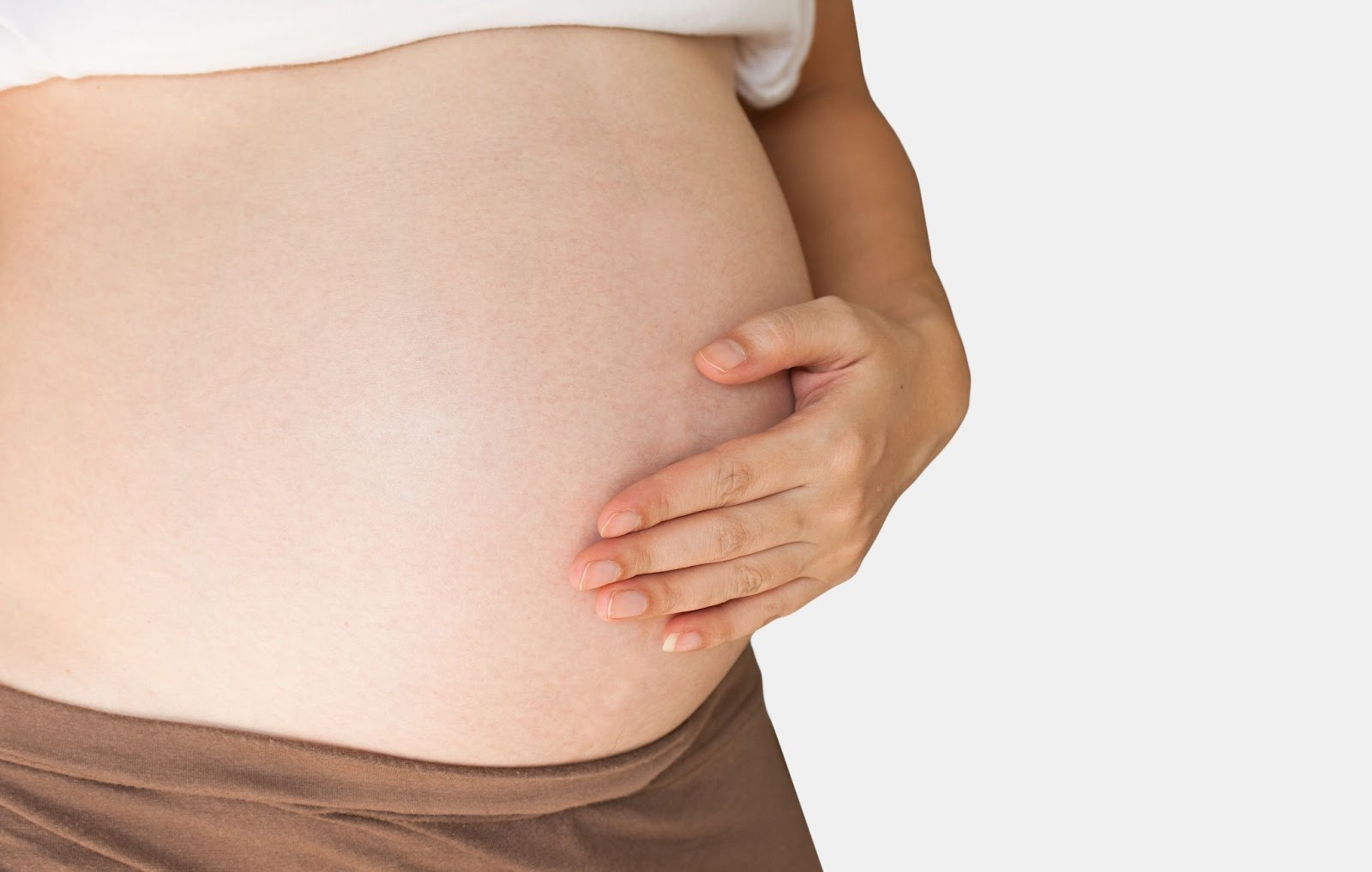
The second trimester runs from week 13 to week 27. Many women feel better during this stage and begin to clearly notice their baby bump.
During this time, your doctor may start checking your fundal height. This is a simple measurement taken from your pubic bone to the top of your uterus. It helps your doctor understand how your baby is growing.
After about 24 weeks, the measurement in centimeters often matches the number of weeks you are pregnant. If the number is slightly different, it usually is not a problem and may just mean the due date needs adjustment.
What You’ll See
This is usually when your baby bump becomes more noticeable to you and others. By the middle of the second trimester, your belly looks rounder, and by the end of this stage, your pregnancy is easy to see.
The Size Of Your Baby
Your baby grows quickly during these months. By the end of the second trimester, your baby may be about 12 to 15 inches long and much more developed.
The Size Of Your Uterus
Your uterus grows to about the size of a papaya during this stage. It moves up out of the pelvis and usually sits between your belly button and your chest.
Months 8 Through 10 (Third Trimester)
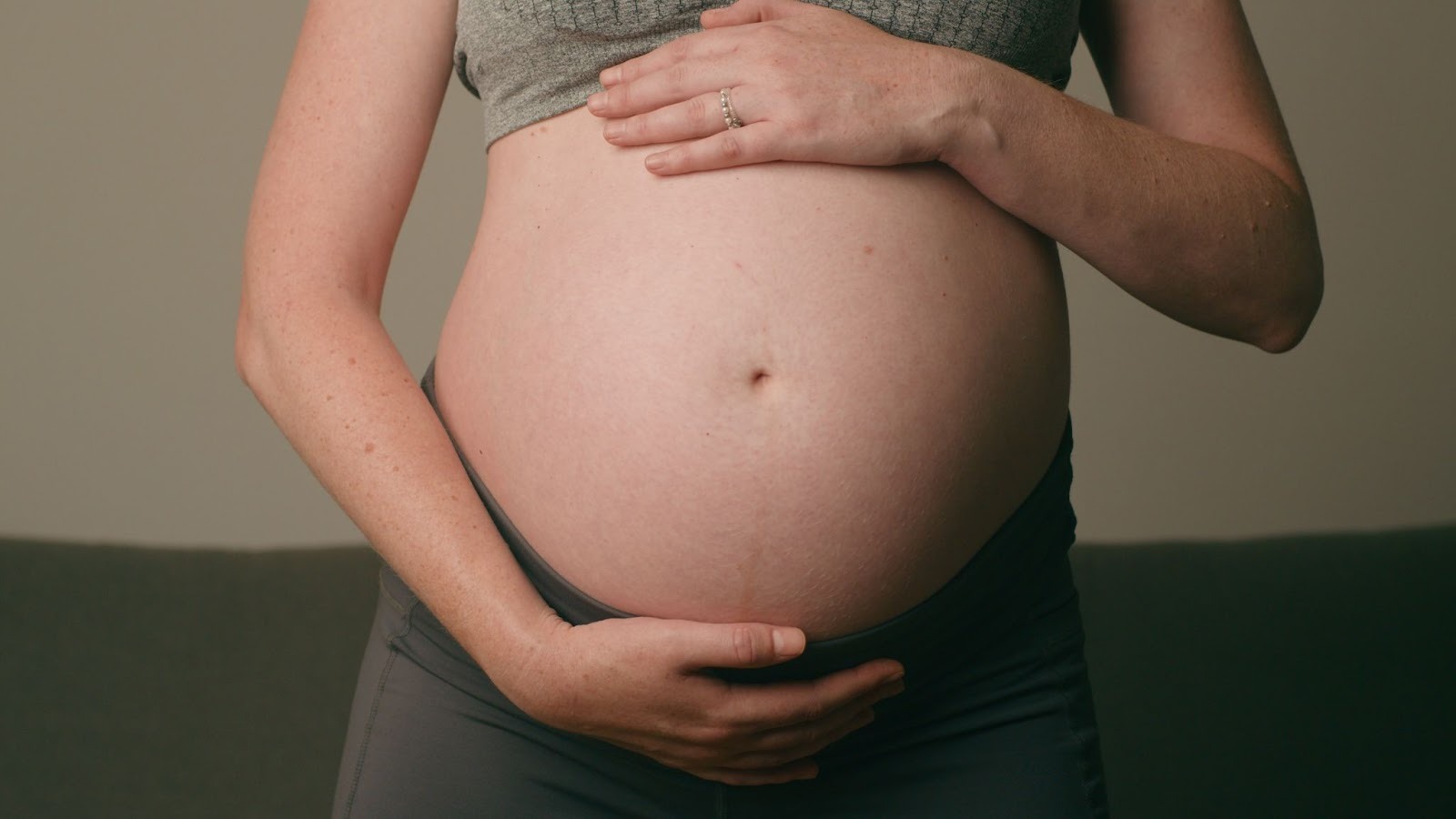
The third trimester begins around week 28 and lasts until your baby is born. This is the final stage of pregnancy.
What You’ll See
Your belly will continue to grow and may feel heavy and tight. Many women start wearing maternity clothes during this time. Some bellies look small and round, while others look very large. Both can be completely normal.
The Size Of Your Baby
In the last trimester, your baby finishes growing and reaches about 18 to 20 inches in length. This is close to the size your baby will be at birth.
The Size Of Your Uterus
This is the largest your uterus will be. It grows to about the size of a watermelon and stretches from the pubic area up toward the rib cage. Because it takes up so much space, you may feel heartburn, shortness of breath, and the need to use the bathroom more often, especially at night.
Common Belly Size and Shape Concerns
Many women worry when their belly looks different from others. A small belly does not always mean slow growth. A large belly does not always mean a big baby. Often, it is related to fluid levels, muscle tone, or baby position.
Carrying high or low is normal and not linked to baby gender. A wide belly often means the baby is lying sideways and may change position later.
If your belly suddenly grows or stops growing, or if you feel pain or tightness, it is important to call your doctor.
Why Comparing Pregnant Bellies Is Not Helpful?
Social media and public comments make comparison hard to avoid. However, every body responds differently to pregnancy.
Your doctor’s measurements and checkups matter far more than opinions from friends or strangers. Try to focus on how you feel rather than how your belly looks compared to others.
What Happens to Your Belly After Birth?
After delivery, the belly does not shrink instantly. Many women still look several months pregnant right after birth. This is completely normal.
Over the next few weeks, the uterus slowly returns to its original size. Weight loss and muscle recovery happen gradually. C-section recovery may take longer, and patience is important.
Conclusion
Pregnancy is a journey filled with physical and emotional changes, and understanding Pregnant Belly Changes can bring real peace of mind. Trust your body, trust your doctor, and remember that every pregnancy experience is unique. If you found this guide helpful, explore more pregnancy and multiple-birth resources on our website. Stay informed, stay calm, and enjoy each stage of your pregnancy journey.
It helps you feel understood or informed, explore more honest parenting and pregnancy guides on our website. If you have questions or would like personal support, feel free to contact us, we’re here to help. Share this article with other parents who may need reassurance and real information. You are not alone on this journey.
Frequently Asked Questions
Can belly shape predict baby gender?
No, belly shape cannot tell you whether you are having a boy or a girl. Carrying high or low, wide or small, has nothing to do with your baby’s gender. These are old myths that have been passed down for years. The only reliable way to know your baby’s gender is through medical tests, such as an ultrasound or genetic testing, or by waiting until birth.
Why does my belly itch?
Belly itching during pregnancy is very common. As your baby grows, the skin on your belly stretches quickly, which can cause dryness and itching. Pregnancy hormones also make your skin more sensitive. Using a gentle moisturizer, drinking enough water, and avoiding very hot showers can help reduce itching. If itching becomes severe or comes with a rash, you should talk to your doctor.
Is a low belly a sign of early labor?
Usually, a low belly does not mean that labor is about to start. Many women carry their baby low for weeks or even months before giving birth. A low belly is often related to body shape, muscle tone, or how the baby is positioned in the uterus. Always rely on real labor signs, like regular contractions or water breaking, rather than belly position alone.
Do twins always cause a huge belly?
Not always. Twin pregnancies often show earlier because there is more than one baby, but belly size can still vary a lot. Some women carrying twins have very large bellies, while others may look smaller than expected. Factors like height, muscle strength, body type, and baby position all affect how big the belly looks. Your doctor will monitor growth to make sure both babies are healthy.