
Health concerns during infancy in twins mainly include premature birth, low birth weight, feeding difficulties, slower growth, frequent infections, and developmental delays compared to single babies. These issues are more common in twins because they share space and nutrients before birth, and many twins are born earlier than full-term babies in the United States.
Understanding Infancy in Twins
Infancy is the most important stage of a baby’s life. It usually covers the first year after birth. For twins, this phase can be more challenging because two babies are developing at the same time. In the US, doctors closely monitor twins during infancy because they often need extra medical attention.
Twins may be identical or fraternal, but both types can face similar health concerns during infancy. The body systems of infants are still developing, and twins sometimes start life at a disadvantage compared to single babies.
Why Twins Face More Health Challenges?
Twins share the mother’s womb, nutrients, and space during pregnancy. Because of this, they are more likely to be born early. Early birth is the main reason twins face more medical concerns in infancy.
Another reason is that caring for two infants at once can be physically and emotionally demanding for parents. This can affect feeding schedules, sleep routines, and early bonding if parents do not receive enough support.
Premature Birth and Its Effects
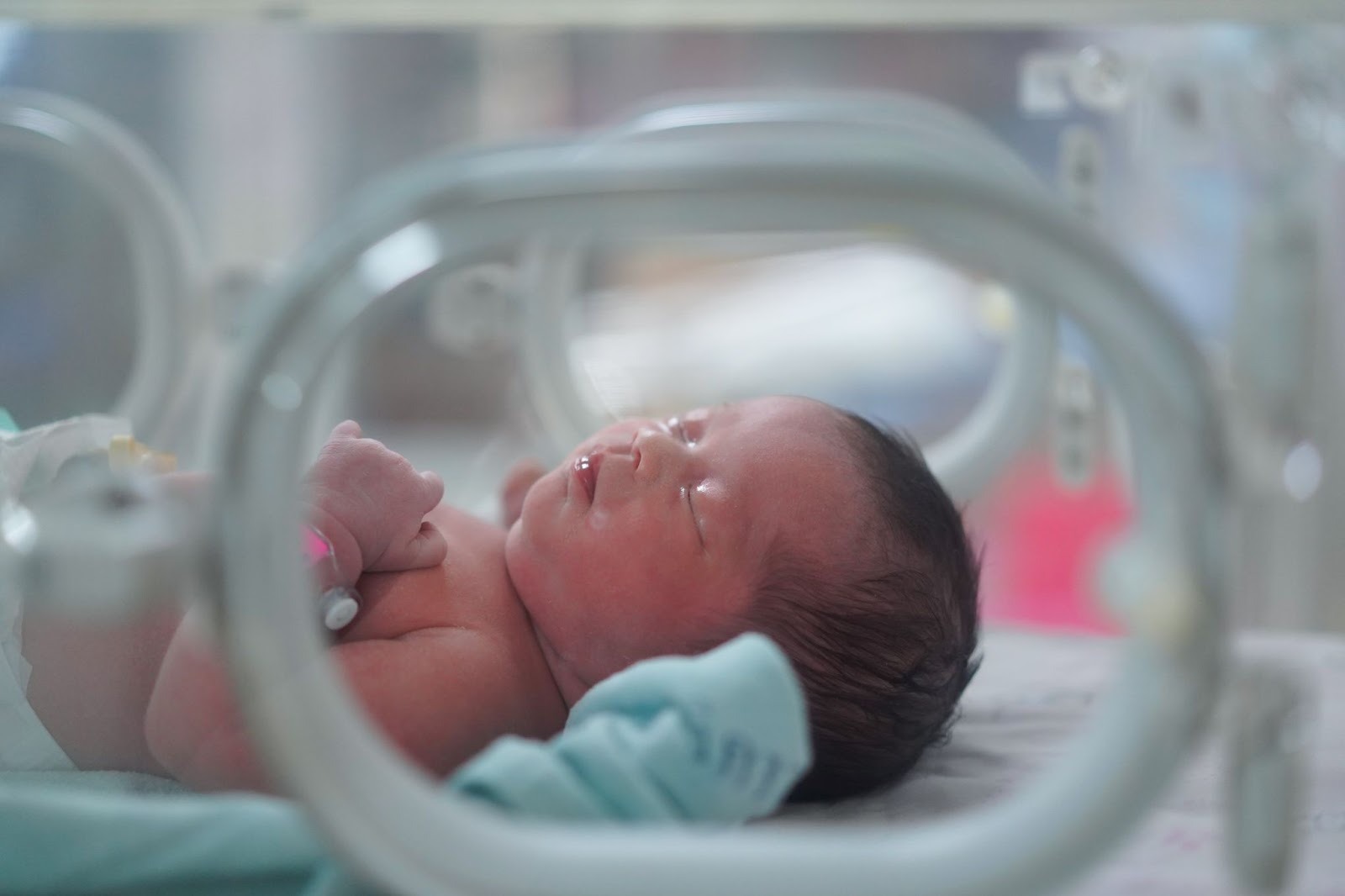
One of the most common Health Concerns During Infancy in Twins is premature birth. Many twins in the US are born before 37 weeks of pregnancy.
Premature babies may have:
- Underdeveloped lungs
- Difficulty maintaining body temperature
- Trouble feeding properly
Doctors often place premature twins in the Neonatal Intensive Care Unit (NICU) to help them breathe, eat, and grow safely.
Low Birth Weight in Twin Babies
Low birth weight is closely linked with premature delivery. Twins often weigh less than single babies at birth. A low birth weight can increase the risk of infections and slow growth during infancy.
Babies with low birth weight may need special formula, frequent weight checks, and extra doctor visits. With proper care, many twins catch up in growth during their first or second year.
Feeding Challenges During Infancy
Feeding two infants can be challenging, especially if they are born early. Some twins struggle with latching, sucking, or swallowing.
Breastfeeding twins is possible, but many US parents combine breastfeeding with formula feeding. Feeding difficulties can sometimes lead to slower weight gain, which doctors monitor closely.
Parents are often advised to feed on a schedule rather than on demand to ensure both babies receive enough nutrition.
Growth and Weight Gain Issues
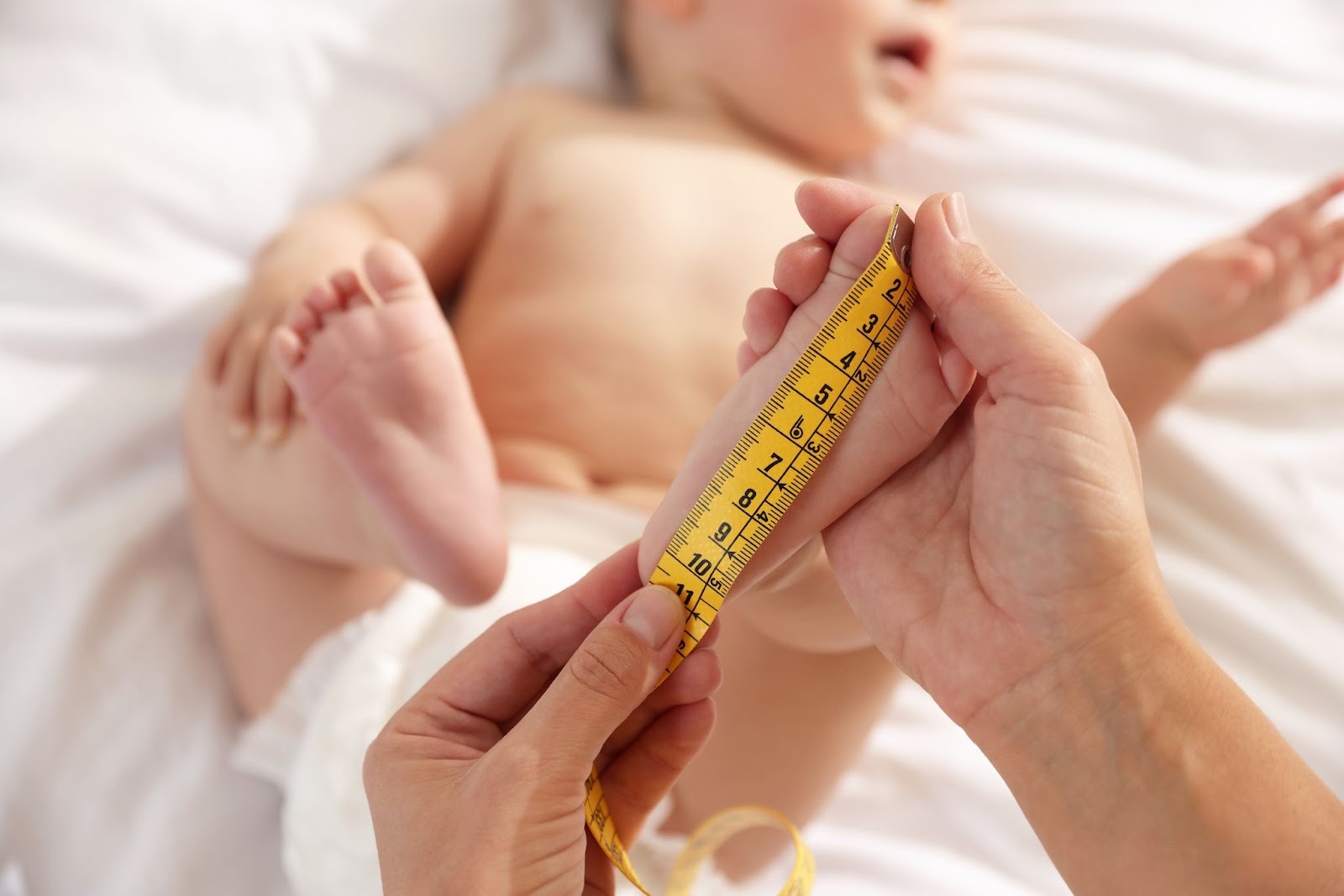
Growth patterns in twins are different from single babies. Some twins grow at different rates, even though they are born at the same time.
Doctors in the US use special growth charts for twins to track progress. Regular checkups help identify problems early and allow timely treatment if one baby is not gaining enough weight.
Breathing and Lung Problems
Breathing issues are another common concern, especially in premature twins. Their lungs may not be fully developed at birth.
Some twins experience fast breathing, wheezing, or short pauses in breathing. These problems usually improve as the babies grow, but they may need oxygen support or medication during infancy.
Weaker Immune System in Infancy
Infants naturally have weaker immune systems, but twins may be even more vulnerable. Frequent colds, ear infections, and stomach bugs are common in the first year.
Doctors often recommend keeping twins away from crowded places during early infancy, especially during flu season in the US. Vaccinations play a very important role in protecting twin babies.
Developmental Delays in Twins
Another important part of Health Concerns During Infancy in Twins is developmental delay. Some twins may reach milestones such as sitting, crawling, or talking slightly later than single babies.
This delay is usually temporary and often related to premature birth. Pediatricians carefully monitor motor skills, speech, and social interaction during regular visits.
Digestive and Stomach Problems
Digestive problems such as reflux, gas, and constipation are common in infants. Twins may experience these issues more often due to feeding difficulties.
Symptoms may include frequent spitting up, crying after feeding, or trouble passing stool. Most digestive problems improve naturally as the baby’s digestive system matures.
Sleep Difficulties in Twin Infants

Sleep is very important for infant growth. Twins often wake up frequently, making it hard for parents to establish a routine.
Poor sleep can affect feeding, mood, and development. Doctors in the US usually suggest safe sleep practices and consistent bedtime routines to improve sleep quality.
Emotional and Sensory Development
Twins share a special bond, but they still need individual attention. Emotional development can be affected if one baby receives more attention due to health issues.
Parents are encouraged to spend one-on-one time with each child. This helps both babies develop confidence and emotional security during infancy.
Role of Pediatric Care in the US
In the United States, pediatric care plays a major role in managing infancy-related concerns. Regular checkups, screenings, and vaccinations help prevent serious problems.
Doctors may recommend specialists such as nutritionists or physical therapists if needed. Early care greatly improves outcomes for twins.
How Parents Can Support Twin Health?
Parents can support their babies by maintaining regular doctor visits, following feeding plans, and ensuring a clean environment.
Support groups for parents of twins are common in the US and can help families manage stress and share helpful advice. Emotional support for parents is just as important as medical care for infants.
Common Warning Signs Parents Should Watch
Parents should contact a doctor if they notice:
- Poor feeding
- Difficulty breathing
- High fever
- No weight gain
Early action can prevent small problems from becoming serious.
Long-Term Outlook for Twin Infants
Most twins grow up healthy and strong. While infancy may be challenging, proper medical care and parental support make a huge difference.
Many concerns seen during infancy improve with time, and twins often catch up with their peers by early childhood. Early monitoring of twin infant health helps ensure long-term well-being.
Conclusion
Health Concerns During Infancy in Twins are common but manageable with the right care. Premature birth, feeding difficulties, and slow growth are the most frequent issues seen in the US. With regular medical checkups, proper nutrition, and strong parental support, most twin infants grow into healthy children. If you are a parent of twins, schedule regular pediatric visits and never hesitate to ask questions about your babies’ health. Early care and awareness can make infancy smoother and healthier for both your little ones.
It helps you feel understood or informed, explore more honest parenting and infancy guides on our website. If you have questions or would like personal support, feel free to contact us, we’re here to help. Share this article with other parents who may need reassurance and real information. You are not alone on this journey.
FAQs
Are twins always born premature?
No, but twins have a higher chance of being born early compared to single babies.
Do twins get sick more often?
They may experience more infections during infancy, especially if born premature.
Is slower development normal in twins?
Yes, slight delays are common and usually temporary.
Can twins be breastfed successfully?
Yes, many parents successfully breastfeed twins with proper guidance.
When should parents worry about twin health?
If there are feeding issues, breathing problems, or no weight gain, medical advice should be sought immediately.