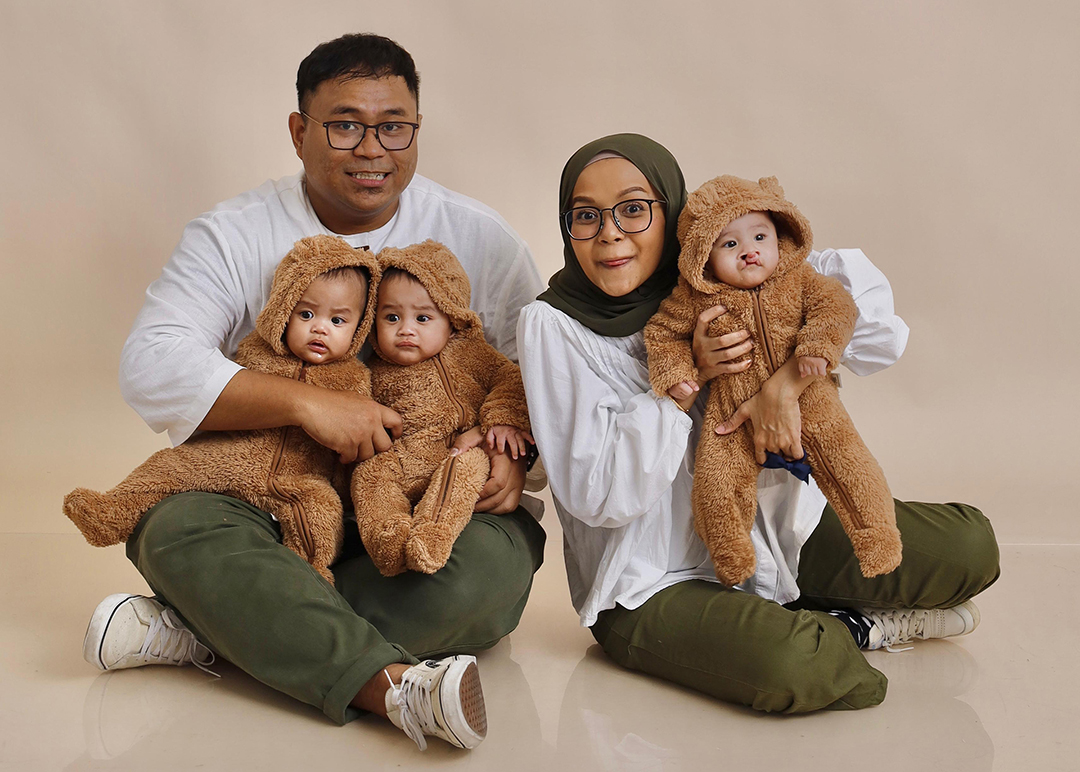
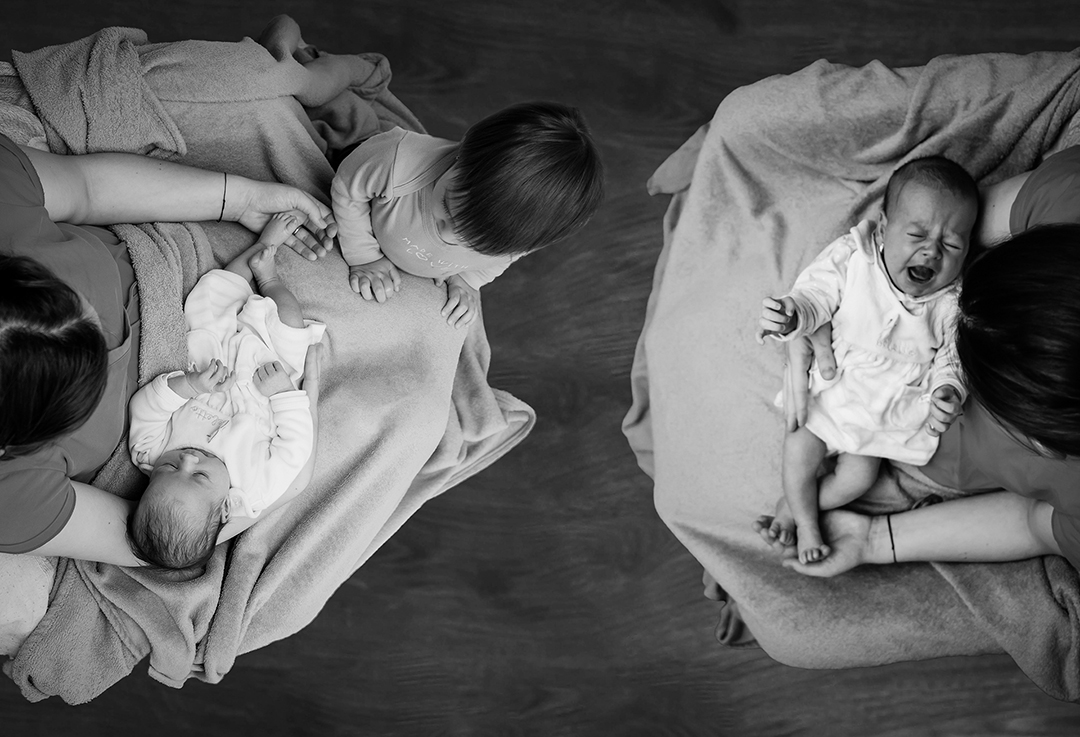
As a mum of Monochorionic Triamniotic (MCTA) identical triplet girls, I am often asked the same question:
What is it like raising three children who look exactly the same?
My identical triplet daughters turn seven this year. They share the same DNA, the same birthday, and once shared the same placenta in utero. To the outside world, they are often seen as a set — “the triplets.” But inside our home, it has always been clear: they are three entirely different individuals.
And that difference deserves protection.

Identical Does Not Mean Interchangeable
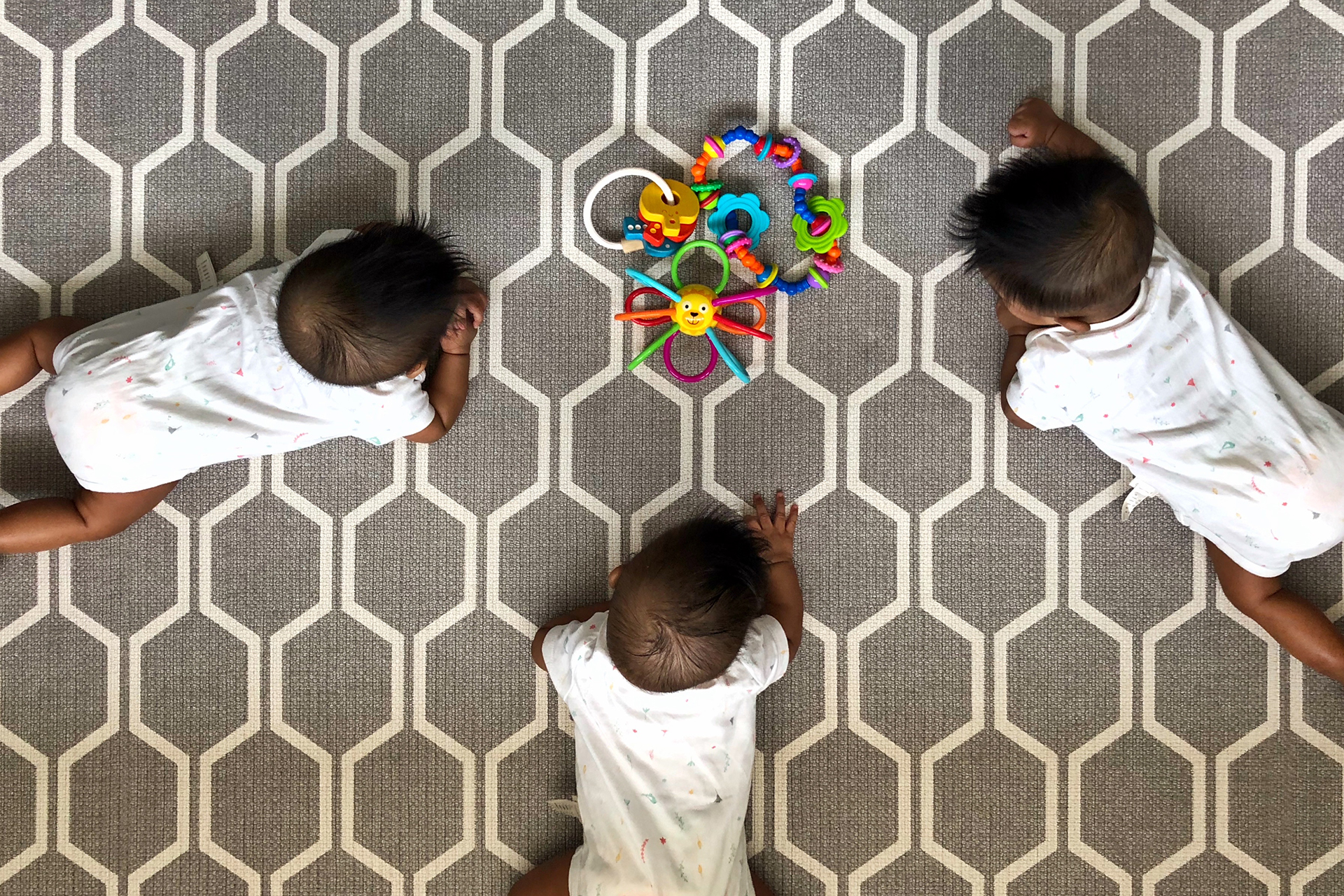
By early toddlerhood, their personalities were already distinct. One processes quietly before she speaks, and seeks perfection. One is expressive, emotionally intuitive and is a kinesthetic learner. One is diligent and loves to perform tasks repeatedly. Their preferences, sensitivities, humour and motivations differ in subtle but consistent ways.
The challenge is that the world tends to flatten multiples into a collective identity. This is especially true for identical siblings. What’s more complex is that within the perceived similar looks, is the comparison.
“Who is the tallest? Who runs the fastest? Who is more outgoing? Who is more confident?”
These questions may seem harmless, but they quietly invite ranking instead of recognising individuality.
Comparison, when constant, can quietly shape self-perception. At seven, children are already forming strong narratives about who they are. When they are continuously measured against a genetically identical sibling, that narrative can become performance-based rather than identity-based.
Hence as a family, we are deliberate with language. We avoid fixed labels like “the smart one” or “the sporty one.” Instead, we speak about intentions, interests, and growth — all of which can evolve. As much as possible, we remind them that they are individuals.
Creating Structures That Support Individuality
With multiples, individuality does not happen passively. It requires structure.
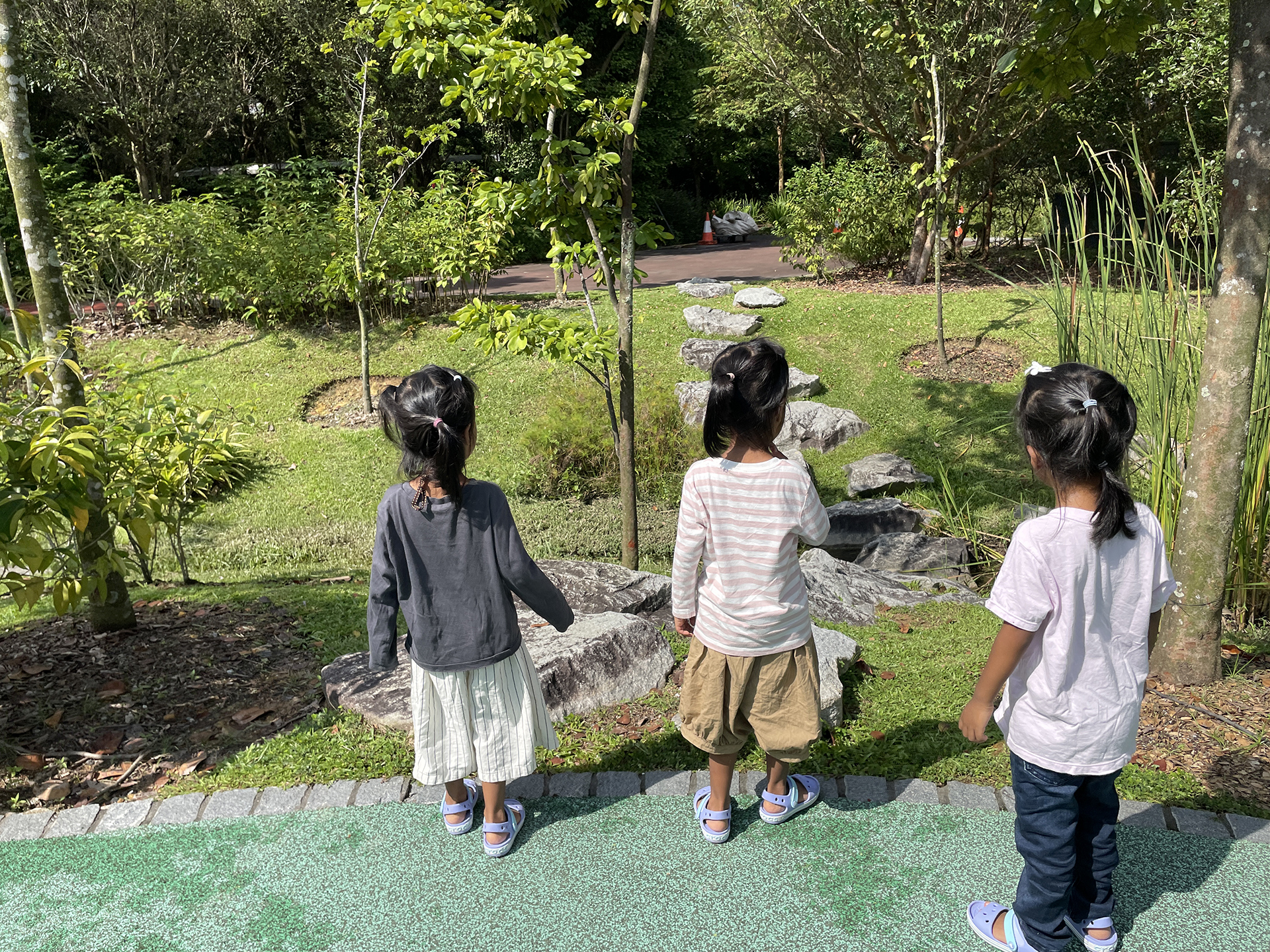
We prioritise:
- Addressing them by name.
- Allowing different clothing choices and preferences.
- Creating one-on-one time with each child.
- Encouraging separate interests and activities when possible.
Even in shared environments like homeschooling co-ops, we look for ways to affirm their independent identities. Small moments matter. As parents, we need to allow them to have autonomy, and the chance to build confidence.
Importantly, fairness in our home does not mean sameness. One child may need more emotional support in a season. Another may need academic reassurance. Responsive parenting, rather than equal division, is something we work hard to achieve.
Managing External Attention
Public curiosity remains part of our reality. Since birth, we get stopped by curious strangers asking how we tell them apart. Coaches almost always mix them up. Everyone comments on how alike the three girls are.
Instead of resisting it, we redirect it. When someone focuses on their sameness, I highlight a difference — an interest, a personality trait, a strength. Not to define them permanently, but to humanise them.
Because identical does not mean interchangeable.
And children internalise how they are introduced to the world.
What Raising Identical Triplets Has Taught Me
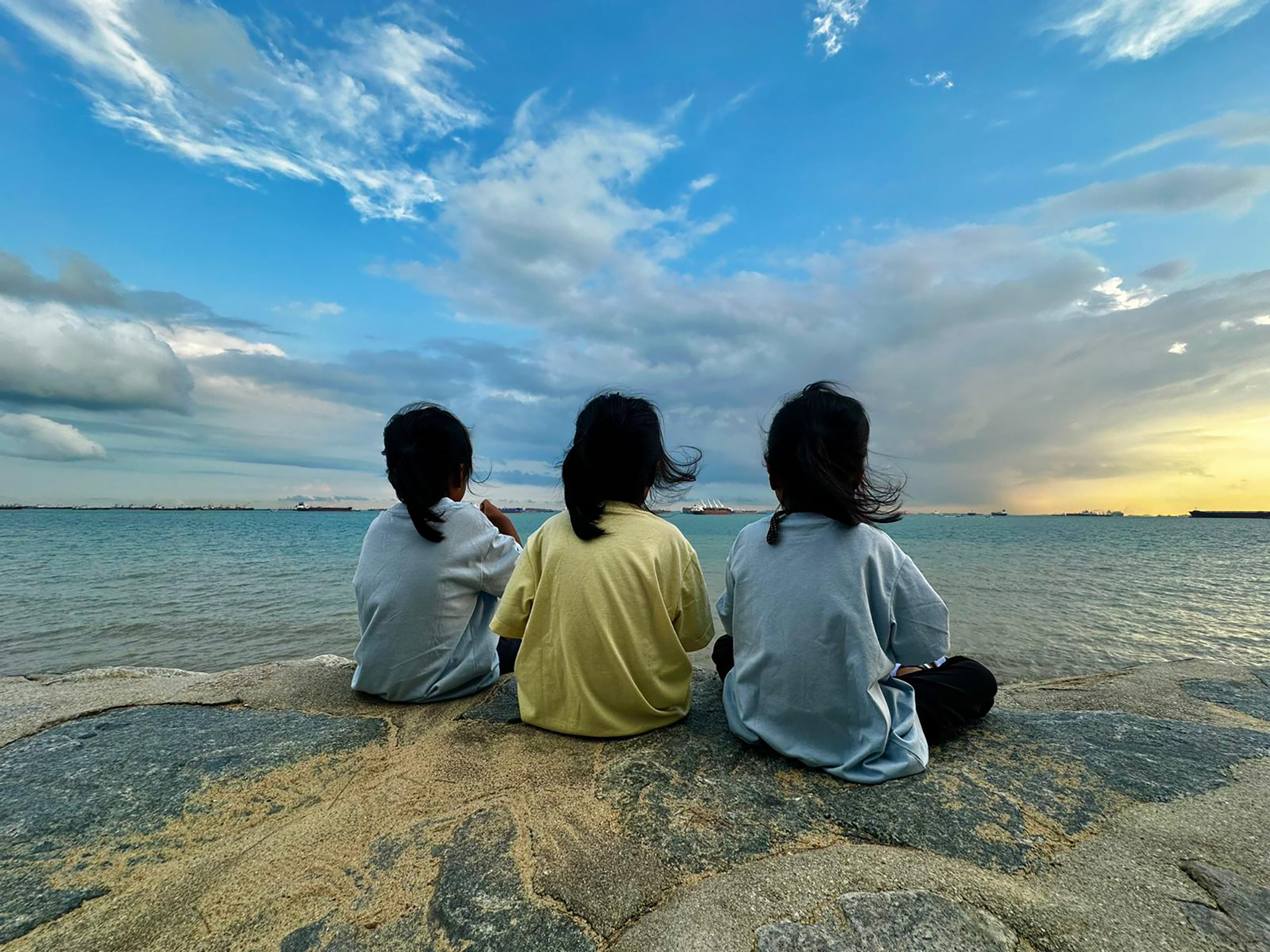
At seven, my daughters are already showing me that identity is nurtured through recognition. Shared DNA does not erase individuality. It simply makes it easier for the world to overlook.
As parents of multiples, especially identical multiples, we carry an added responsibility: to actively protect personal identity within a shared experience. Like what I share with caring friends, they may share common interests at the moment, but they definitely are three distinct people.
They may look the same. But they are growing into three distinct young girls — each deserving to be seen, known and supported for who she uniquely is.
You Asked, We Answered
How do I reduce comparison between my twins or triplets?
Be intentional with language. Avoid ranking, such as asking “Who did better?” and focus on individual progress and effort instead of side-by-side comparisons.
Should identical multiples dress alike?
It is a personal choice, but allowing them to choose their own clothing helps build autonomy and reinforces individuality from a young age.
What if teachers or family members keep mixing them up?
Gently correct them and share something unique about each child. Small advocacy moments reinforce identity and teach your children to value who they are.
How can I build individual confidence in multiples?
Create regular one-on-one time, even in short pockets. Affirm their specific strengths and interests without defining them by fixed labels.
Is it okay if one child needs more attention in certain seasons?
Yes. Fair does not mean identical. Responsive parenting, meeting each child where she is, supports healthy identity development within multiples.
---
Whether you're raising multiples or multiple children, finding a supportive parenting community makes all the difference. Join the conversation and share your experience with us! Follow us on Instagram for more updates :)
Read also:
Supporting Individual Identity in Twins, Triplets & Multiples